What Does Grade 1 Mean In Breast Cancer
Grade 1 cancer cells look a little bit different from normal cells and they grow in slow well-organized patterns. The final grade will be either grade 1 2 or 3.
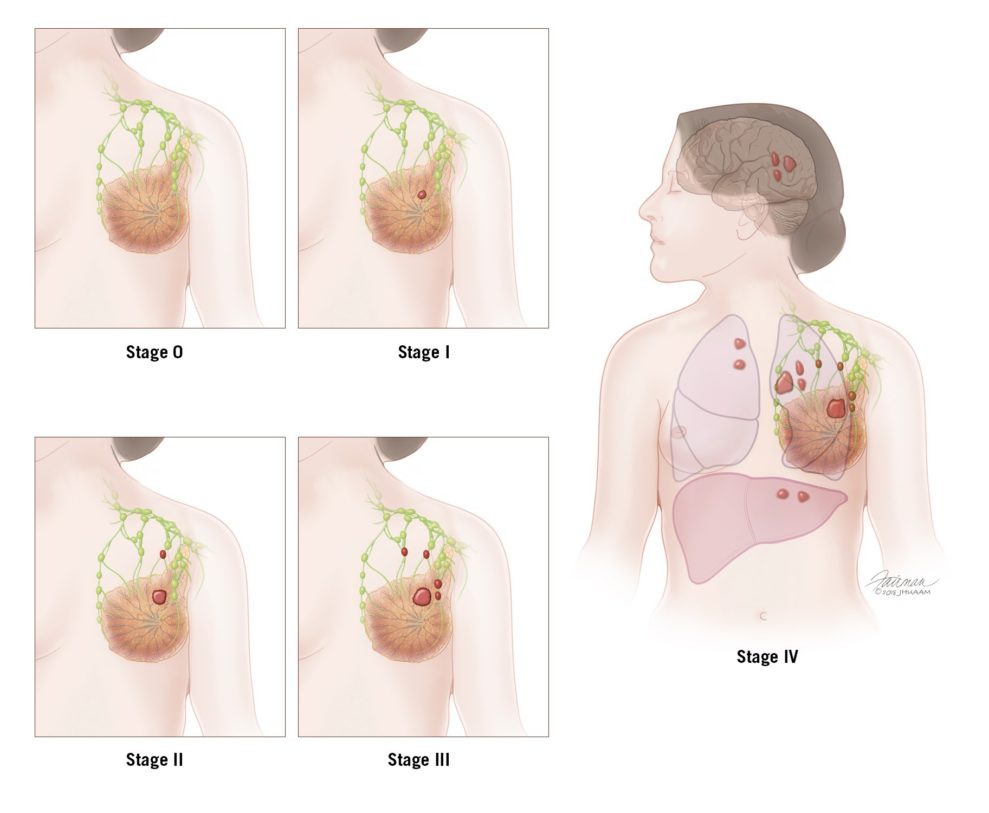
Staging Grade Breast Pathology Johns Hopkins Pathology
If the numbers add up to 3-5 the cancer is grade 1 well differentiated.

What does grade 1 mean in breast cancer. Stage 2 breast cancer is when the cancer is up to or bigger than 5cm. In nuclear grade 1 the nucleus of the cancer cells looks more like normal cells while in nuclear grade 3 it looks the least like normal cells. There may be no cancer cells in the lymph nodes in the armpit or tiny numbers of cancer cells are found.
A score is given from 1 to 3 based on what the nucleus of the cancer cells looks like compared to normal cells. The system most often used to describe the growth and spread of breast cancer is the TNM Staging System. Grade I is assigned for a total score of 3 to 5.
Grade is a score that tells you how different the cancer cells appearance and growth patterns are from those of normal healthy breast cells. The grade is used to help predict your outcome prognosis and to help figure out what treatments might work best. There are 3 grades.
In general stage IA describes invasive breast cancer in which. Grade 1 or low grade sometimes also called well differentiated. Cancer cells and tissue look very abnormal.
Grade 1 is slower growing and garde 3 is faster growing. Stage 1 breast cancer is when the cancer is 2cm or smaller. These tumors tend to grow and spread slowly.
Stage I describes invasive breast cancer cancer cells are breaking through to or invading normal surrounding breast tissue. Cancers at the same stage are often treated similarly. Grade 3 also called poorly differentiated are more likely to grow faster and to metastesize.
A higher number 3 means a faster-growing cancer thats more likely to spread. In contrast the cells and tissue of Grade 3 and Grade 4 tumors do not look like normal cells and tissue. Grading breast cancer cells.
These are called well-differentiated tumors and are considered low grade. The most common grading system is the Nottingham system. Grade 1 looks most like normal breast cells and is usually slow growing Grade 2 looks less like normal cells and is growing faster Grade 3 looks different to normal breast cells and is usually fast growing.
In Stage 1 breast cancer cancer is evident but it is contained to only the area where the first abnormal cells began to develop. Grade I cancer cells that resemble normal cells and arent growing rapidly grade II cancer cells that dont look like normal cells and are growing faster than normal cells. The grade is based on how much the cancer cells look like normal cells.
Cherub grade basically is how aggressive or not the cancer is and stage is how far is spread. Stage 1 cancer typically means the cancer is small and localized to one area and that it has not spread to the lymph nodes or other parts of the body. If they add up to 6 or 7 it means the cancer is grade 2 moderately differentiated.
In general a higher tumor grade is associated with more aggressive behavior. There are three grades of invasive breast cancer. The total score is assigned to a grade.
These are intermediate grade tumors. Numbers are assigned to different features gland formation nuclear grade and mitotic count seen under the microscope and then added up to assign the grade. The cells and tissue are somewhat abnormal and are called moderately differentiated.
The tumor measures up to 2 centimeters cm and. In general the more the cancer cells look like normal breast cells the lower the grade and the better the prognosis tends to be. Tumor cells and tissue looks most like healthy cells and tissue.
1 2 and 3 and as the ther have said grade 1 is most like normal cells and grade three is least like normal cells. These 3 scores are added together making the Nottingham Score. What is Stage 1 cancer.
This is also called well differentiated. Stage I is divided into subcategories known as IA and IB. Grade 1 also called well-differentiated look like normal cells and arent considered aggressiveThey grow slowly and metastesize slowly.
In Grade 1 tumors the tumor cells and the organization of the tumor tissue appear close to normal. Stage 1 can be divided into Stage 1A and Stage 1B. Sometimes the cancer cannot be found in the breast but cancer cells have spread to lymph nodes in the armpit.
Your pathology report will rate the cancer on a scale from 1 to 3. Even if the cancer spreads or improves it will still be referred to by the stage at which it was diagnosed. A lower grade number 1 usually means the cancer is slower-growing and less likely to spread.
The minimum score possible is 3 111 and the maximum possible is 9 333. Grade 3 and Grade 4 tumors tend to grow rapidly and spread faster than tumors with a lower grade. Each characteristic is given a score from 1 to 3 with 1 being the closest to normal and 3 being the most abnormal.
The tumor cells look the most like normal tissue and are slow-growing well-differentiated. The breast cancer has been detected in the early stages and can be very effectively treated. The grading system thats usually used is as follows.
In the breast the overall grade score is calculated by looking at the mitotic rate the nuclear grade or atypia and the degree of gland formation. In general a lower grade indicates a slower-growing cancer and a higher grade indicates a faster-growing one.
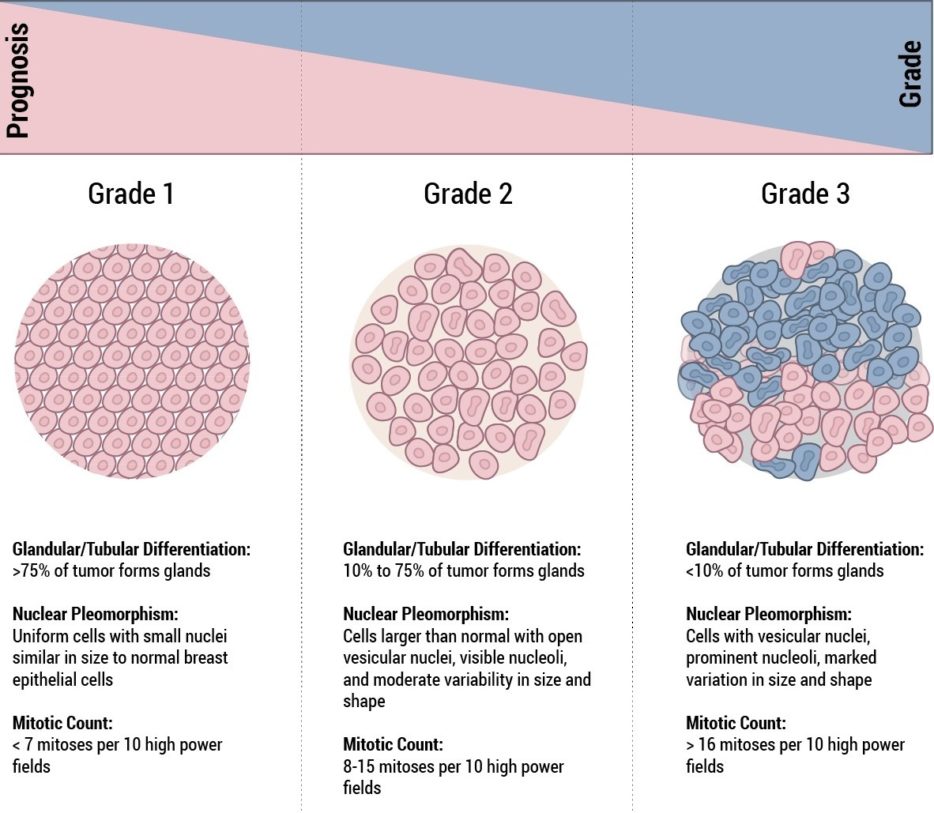
Staging Grade Breast Pathology Johns Hopkins Pathology

Stage 1 Breast Cancer Cancer Research Uk
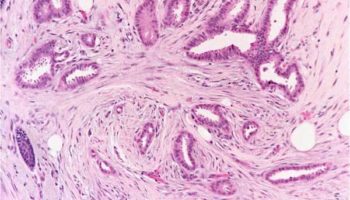
Staging Grade Breast Pathology Johns Hopkins Pathology

Stages Of Breast Cancer And Disease Progression Moose And Doc
Breast Cancer Types And Stages Mybreastcancertreatment Org
Breast Ductal Carcinoma


Pin On Breast Cancer
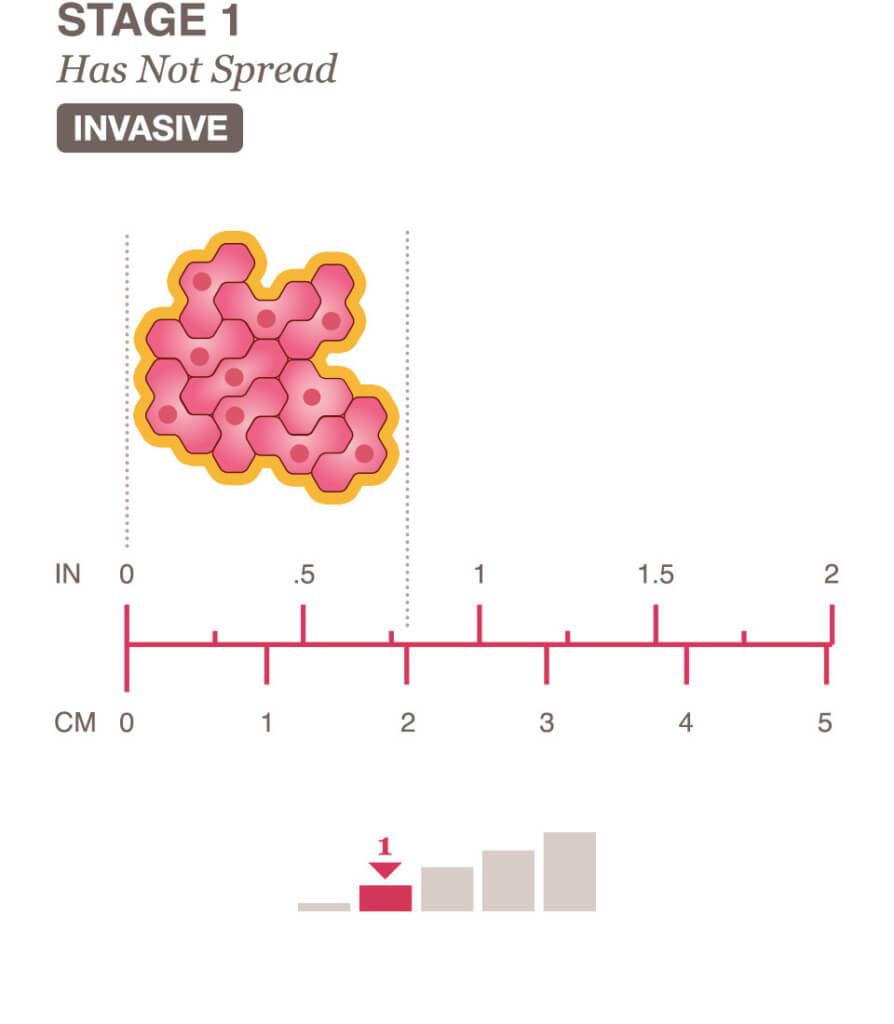
Stages 0 1 National Breast Cancer Foundation
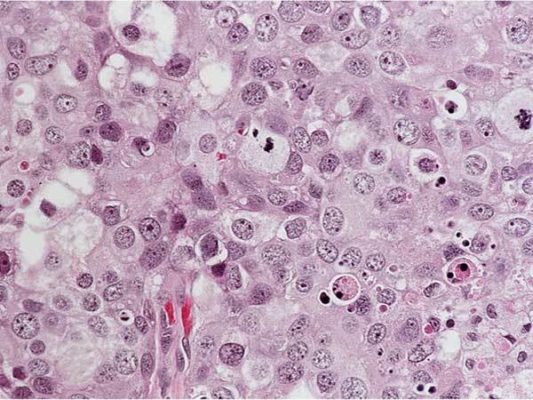
Staging Grade Breast Pathology Johns Hopkins Pathology
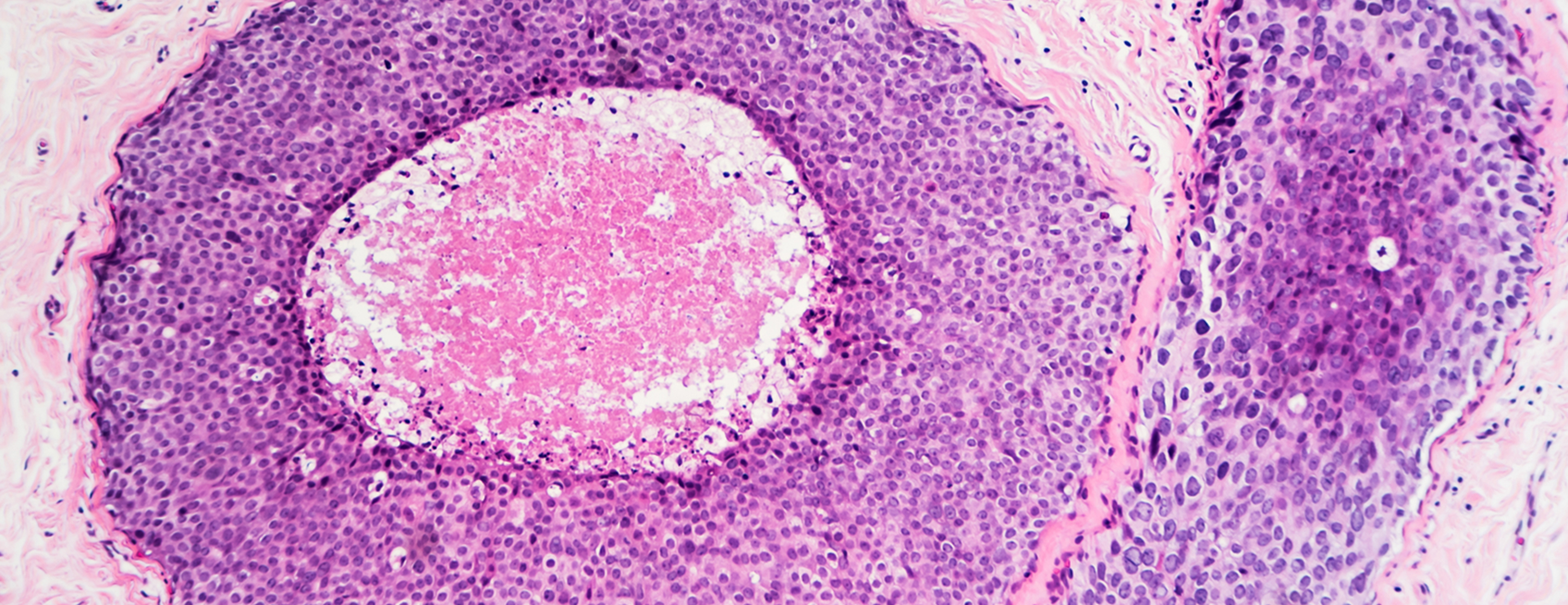
Biopsy For Breast Cancer Diagnosis Surgical Breast Biopsy Ucsf Health
Staging Grade Breast Pathology Johns Hopkins Pathology
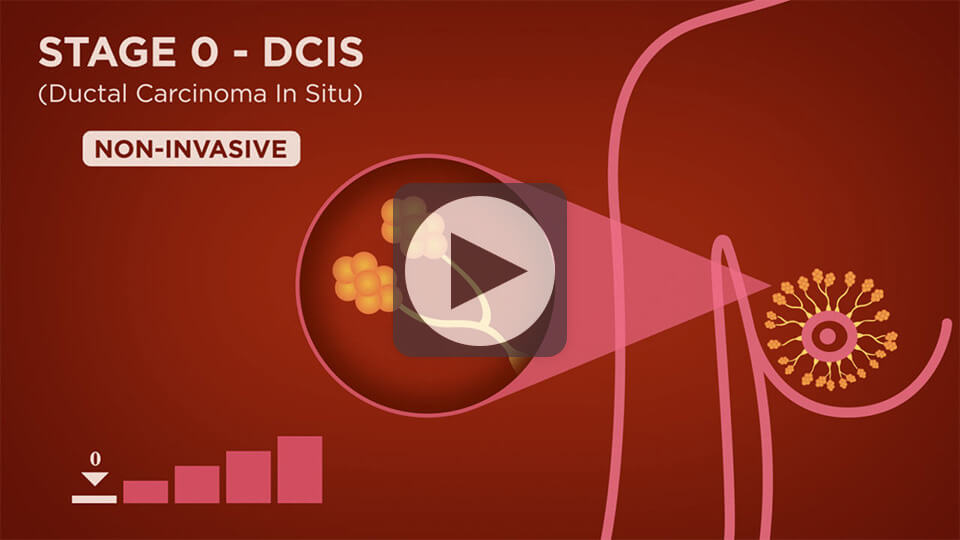
Stages 0 1 National Breast Cancer Foundation
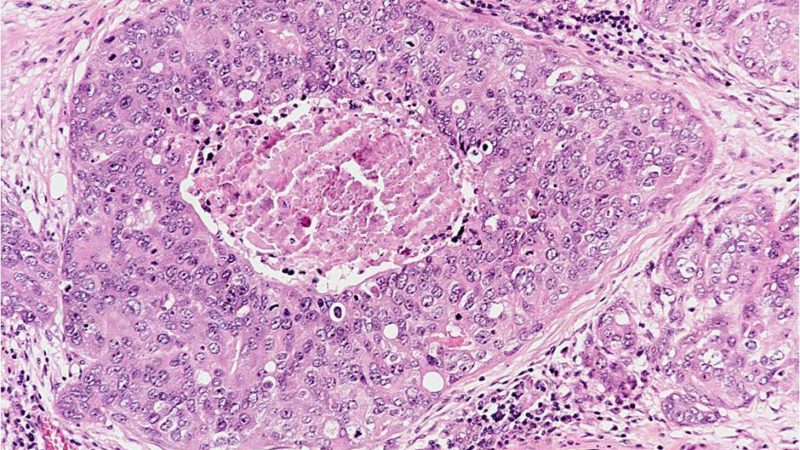
Types Of Breast Cancer Breast Pathology Johns Hopkins Pathology
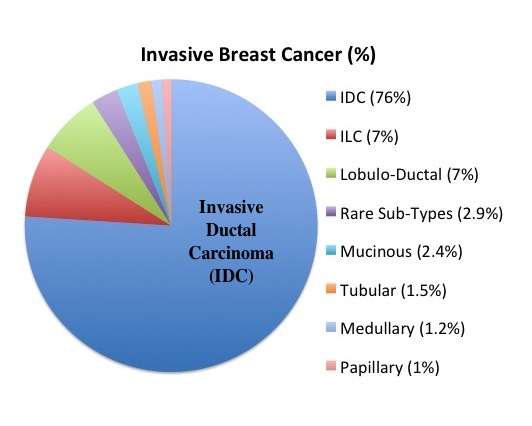
Invasive Ductal Breast Cancer And Other Types Moose And Doc

How Does Breast Cancer Start Spread Nbcf
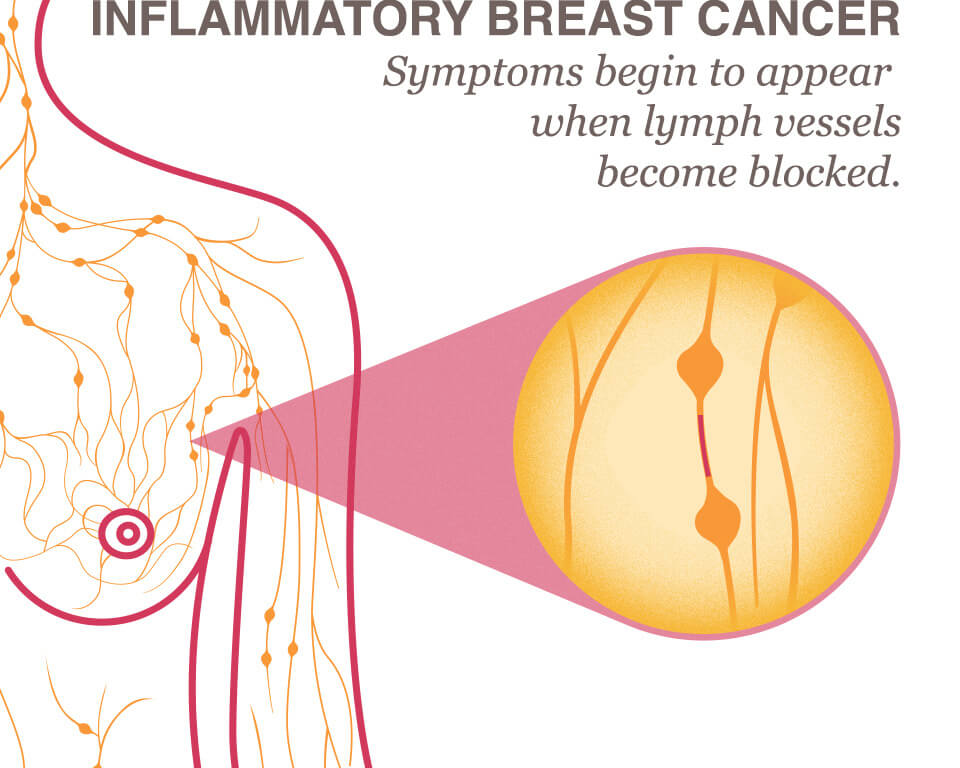
Types Of Breast Cancer National Breast Cancer Foundation

Breast Cancer The Lancet
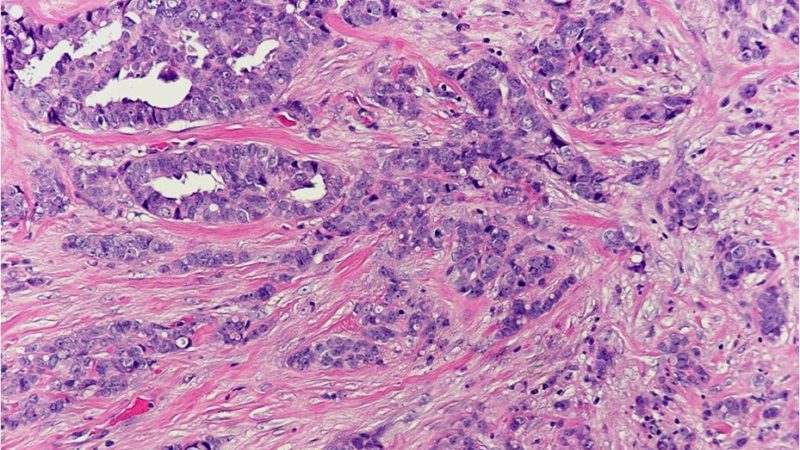
Types Of Breast Cancer Breast Pathology Johns Hopkins Pathology
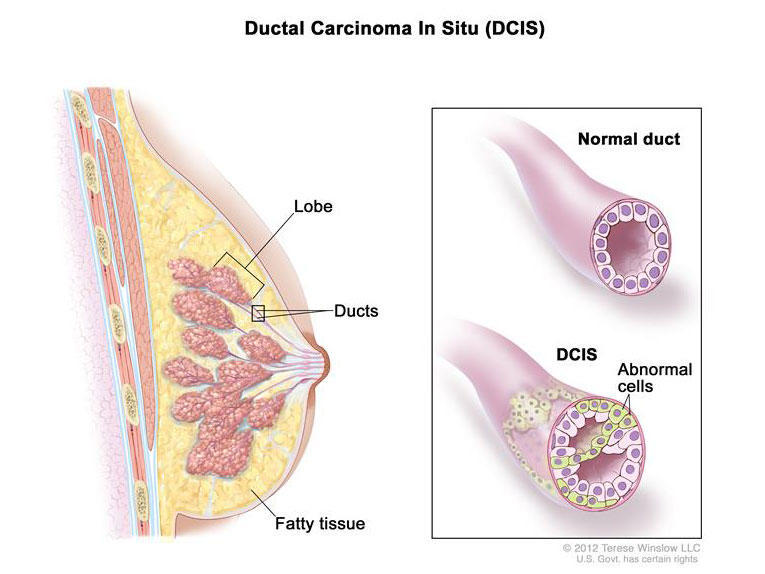
Risk Of Breast Cancer Death Is Low After Dcis Diagnosis National Cancer Institute